
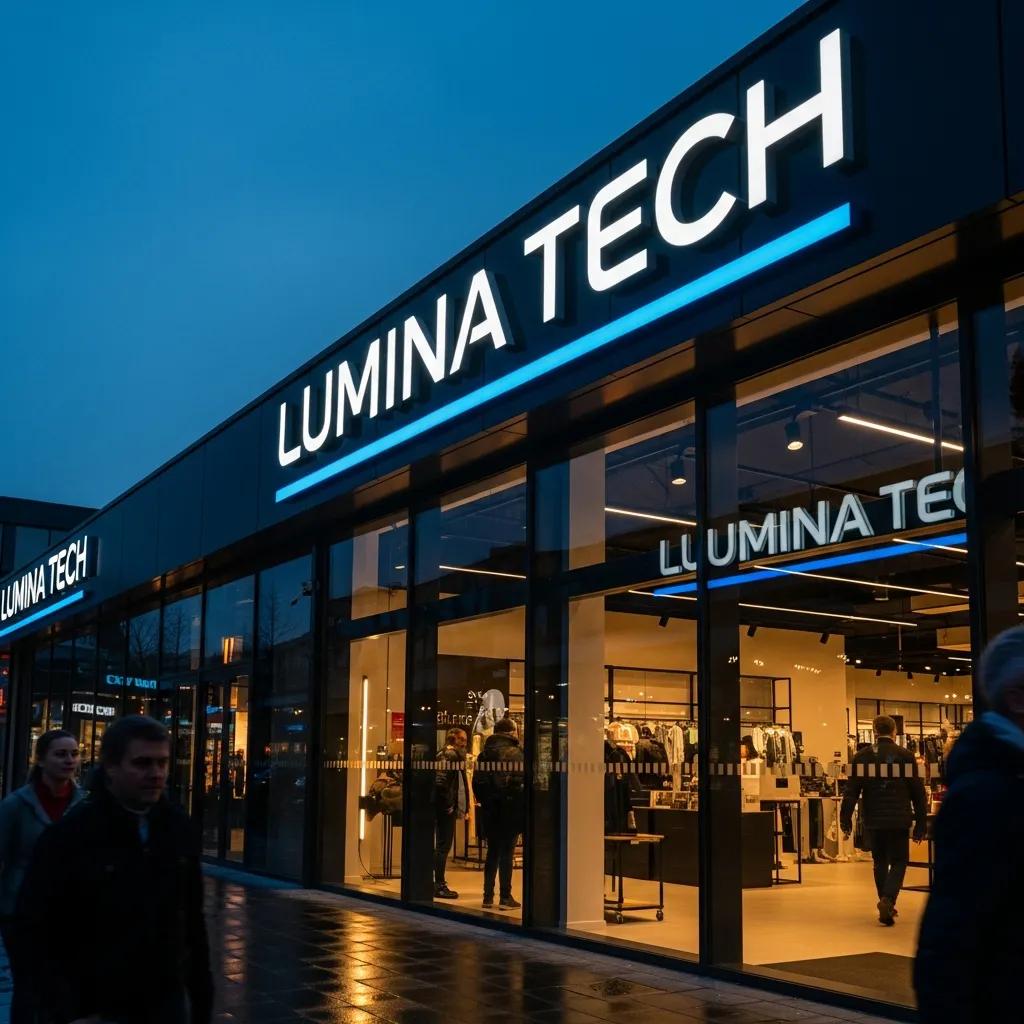
Energy‑Efficient LED Channel Logo Signs — Benefits, Customization & Installation Guide
Energy‑efficient LED channel logo signs pair shaped metal channels, precision LED modules, and translucent faces to deliver highly visible, low‑power illumination for storefronts and branded spaces. This guide walks through what LED channel letters and logo signs are, why they use far less energy than neon or fluorescent options, and how materials plus low‑voltage design extend life and cut operating costs. You’ll get practical guidance on customization—fonts, trim caps, face materials, and front‑lit versus halo effects—along with technical notes on 12V/24V drivers, typical wattage ranges, and maintenance intervals that keep brightness for years. We also cover step‑by‑step DIY‑friendly installation, routine maintenance checklists, and recommended component specs to help you prioritize safety and reliability. Finally, there’s a concise overview of Elite Signs To Go as a manufacturer and an explanation of our “Built By Us, Installed By You” approach that simplifies customer installation. Keywords like energy efficient logos, low voltage logos, LED channel letters, and energy savings LED signage are included to help decision‑makers compare and maintain efficient illuminated branding.
What Are Energy‑Efficient LED Channel Letter Signs?
Energy‑efficient LED channel letter signs are shaped metal or aluminum housings fitted with efficient LED modules and translucent faces that show illuminated logos and text while drawing minimal power. They use directional LEDs and low‑voltage drivers so most input energy becomes visible light instead of heat, producing bright, even illumination at far lower wattage than neon. Built with durable materials—aluminum returns and acrylic or polycarbonate faces—these signs resist weathering and control light diffusion for consistent day‑and‑night branding. For buyers comparing suppliers, manufacturers like Elite Signs To Go deliver channel letter products engineered for simple installation and dependable performance; choices in module type, driver quality, and thermal management determine real‑world efficiency and lifespan. Knowing these components helps you compare energy use, lifecycle costs, and visual impact against other illuminated options.
How Do LED Channel Letters Work to Save Energy?
LED channel letters save energy mainly through semiconductor efficiency and directional light output, producing more visible lumens per watt than gas‑discharge technologies. Modern white LED modules offer high luminous efficacy; combined with focused optics and reflective channel interiors, they look brighter while drawing less current. Industry comparisons typically show LED signage can use 50–70% less energy than neon for similar brightness, and properly managed LEDs often exceed 50,000 hours of service life, cutting replacement needs. For example, a sign that used 400W with neon might draw 120–200W with LED arrays—translating into meaningful monthly savings on commercial power bills. Those efficiency gains improve ROI and support sustainable branding, which naturally leads to material and build questions.
Energy Saving and Cost Analysis for Efficient Lighting
This paper examines energy use and life‑cycle cost for lighting systems and offers a framework for planning energy‑efficient lighting installations that reduce overall consumption.
Predicting energy saving and life-cycle cost analysis for lighting and daylighting schemes, WWH Chan, 2009
What Materials Are Used in Durable LED Channel Letters?
Durable LED channel letters typically use corrosion‑resistant aluminum for returns and mounting structures, paired with acrylic faces that diffuse LED light evenly and shield modules from moisture and UV. Aluminum returns are lightweight yet rigid and resist rust and warping, while acrylic or polycarbonate faces maintain color transmission and impact resistance outdoors. Inside, quality LED modules and properly matched constant‑voltage or constant‑current drivers control brightness and thermal load; placing drivers on accessible raceways makes servicing easier. Correct sealing, gaskets, and powder‑coat or anodized finishes boost weather resistance and limit dust or water ingress—helping preserve luminous output and reducing maintenance over the sign’s service life.
What Are the Key Benefits of Energy‑Efficient LED Channel Letters?
Energy‑efficient LED channel letters deliver tangible benefits across cost, maintenance, lifespan, and brand visibility, making them a strong long‑term signage choice for commercial properties. The main advantage is lower energy use—LEDs run on a small fraction of the power neon requires—so utility bills fall and payback happens sooner. Other benefits include longer service intervals thanks to module longevity, crisper nighttime visibility from uniform illumination, and reduced environmental impact from lower energy and fewer replacements. Decision‑makers should weigh these gains against upfront material and installation choices to estimate lifecycle ROI and brand exposure.
Energy and performance benefits in short:
- Lower Operating Costs: Less wattage means smaller monthly electric bills.
- Longer Lifespan: LED modules commonly exceed 50,000 hours, cutting replacement cycles.
- Improved Visibility: Directional LEDs and diffused faces boost legibility at distance.
Those advantages make LED channel letters a smart option for businesses balancing visibility and operating efficiency. To help procurement teams, the table below summarizes typical performance attributes.
Different LED channel letter benefits and their measured attributes:
| Feature | Attribute | Typical Value |
|---|---|---|
| Energy Consumption | Reduction vs. neon | Up to 50–70% less power |
| Lifespan | LED module service life | 50,000+ hours |
| Maintenance Frequency | Relative to neon | Fewer replacements, lower labor |
| Visual Impact | Night‑time legibility | High uniform luminance |
This clear summary explains why many organizations choose LED channel letters when energy savings and strong brand visibility matter. Next, we explain how lower wattage and longer life translate into cost and maintenance savings.
How Do LED Signs Reduce Electricity Costs and Maintenance?
LED channel letters cut electricity costs through lower wattage per linear foot or letter area and by using efficient drivers that limit energy lost as heat. Because LED modules outlast neon tubes, businesses face fewer part replacements and less repair labor—reducing total cost of ownership. For example, trimming power draw by 60–70% for a sign that runs 12 hours a day can shave hundreds to thousands of kilowatt‑hours annually depending on size—savings that add up across multiple locations. Routine maintenance is easier too: replaceable LED modules and plug‑and‑play driver access on a raceway speed service calls and reduce downtime. Those operational savings strengthen ROI for multi‑site signage programs and link to environmental benefits from lower energy use.
Why Are LED Channel Letters Environmentally Sustainable?
LED channel letters are more sustainable because lower energy use reduces electricity‑related carbon emissions, and longer component lifespans cut material turnover and waste. Choosing recyclable materials like aluminum for housings improves end‑of‑life recyclability versus mixed‑glass neon assemblies. Lower thermal output also reduces heat stress on mounting surfaces and can slightly lower adjacent cooling loads. From a brand perspective, promoting efficient, low‑voltage LED signage supports corporate sustainability goals and can tie into local incentives or energy‑efficiency programs where available.
How Can You Customize Your LED Channel Logo Signs?
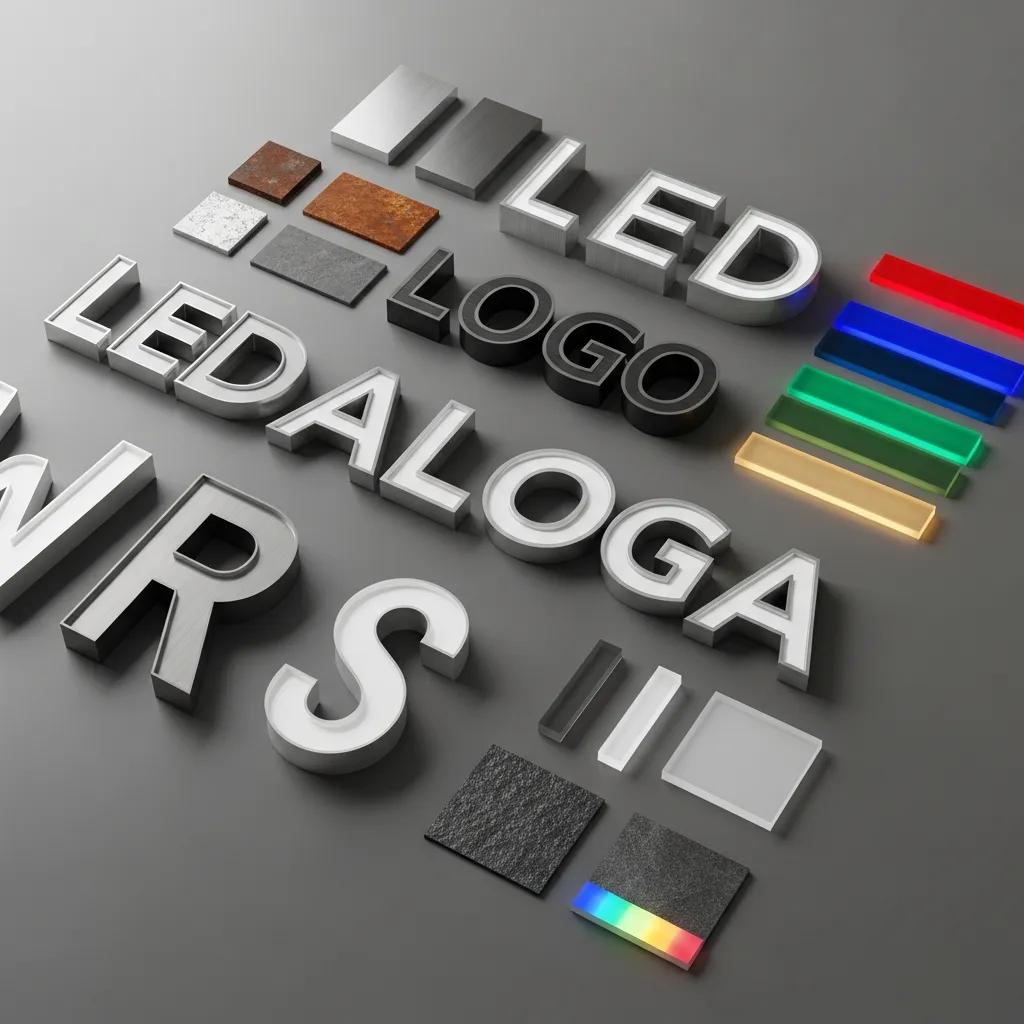
Custom LED channel logo signs give brands many visual and functional choices to hit specific aesthetics and visibility goals. Options include letter depth, font selection, face color and translucency, trim cap finishes, and internal lighting setups for front‑lit, halo, or combination looks. Those choices affect appearance, weight, mounting requirements, and cost—for instance, deeper returns let you pack more LED arrays for higher output while slim profiles deliver a refined silhouette. Design trade‑offs help brands focus on high‑impact placements—like façade logos or monument signs—so visual priority and energy targets align.
Common customization options include:
- Fonts and Dimensional Depth: Pick typefaces and depth to balance legibility and profile.
- Face Material and Finish: Choose acrylic translucency and trim cap color for the desired glow and color fidelity.
- Lighting Style: Select front‑lit, halo‑lit, or combination illumination to match your brand’s tone.
After you set visual variables, designers assess how lighting choices affect visibility and production time—see practical examples below.
What Design Options Are Available for Custom LED Logo Signs?
Designers can customize logo signs through typography, scale, color matching, and three‑dimensional treatments like routed acrylic or raised metal elements. Color matching uses LED modules with consistent correlated color temperature and good color rendering where brand hues must stay true. Trim caps and returns influence edge definition and shadowing, while layered face treatments—printed translucent films or painted acrylic—support complex gradients. When preparing artwork, keep vector paths clean and separate illuminated parts from non‑illuminated hardware so fabrication yields reliable lighting and smoother installation.
How Do Custom Illuminated Logos Enhance Brand Visibility?
Custom illuminated logos provide continuous, 24/7 brand presence that strengthens recognition and draws foot traffic—especially in low‑light conditions where contrast and luminance matter most. A well‑executed channel letter sign improves legibility at longer distances, aids wayfinding, and can lift perceived brand quality with premium effects like halo backlighting. For multi‑location brands, consistent specs for LED modules, face materials, and mounting details keep the look uniform across sites. These branding benefits support marketing goals and can be measured by comparing daytime visibility and nighttime impression rates when weighing sign types.
What Types of LED Channel Letters Are Available?
Channel letters come in several types—front‑lit, back‑lit (halo), combination front‑and‑back, and open‑face—each producing a distinct effect and fitting different placements. Front‑lit letters shine through the face for bold, high‑contrast signage ideal for retail façades and busy storefronts. Back‑lit (halo) letters hide the light source to create a soft glow on the mounting surface for an upscale, architectural look. Combination letters deliver both face and halo lighting for strong legibility with depth, while open‑face letters expose LEDs for high brightness or a vintage feel. Pick the right style by balancing visibility needs, aesthetics, mounting surface, and installation complexity.
Below is a comparison of common channel letter types and best‑use scenarios.
| Letter Type | Characteristic | Best Use Case |
|---|---|---|
| Front‑Lit Channel Letters | Light passes through a translucent face for a bold appearance | Retail façades, high‑visibility storefronts |
| Back‑Lit (Halo) Channel Letters | Opaque face with a soft glow around the letter edges | Upscale venues, preserving façade texture |
| Combination Letters | Both face and halo illumination for contrast | 24/7 visibility where impact and elegance are needed |
| Open‑Face Letters | Exposed LEDs for very high brightness or a retro look | Industrial or decorative signage with protected mounting |
This comparison helps you choose a style that fits visibility goals, aesthetics, and mounting constraints. The next section explains wiring and low‑voltage advantages that influence those choices.
What Are the Differences Between Front‑Lit, Back‑Lit, and Combination LED Letters?
Front‑lit letters put emphasis on the face with direct illumination, offering the strongest frontal brightness and accurate color—common for storefront identity. Back‑lit or halo letters conceal the light source and produce a soft silhouette glow on the wall, creating an elegant, less aggressive presence suited to hospitality and premium retail. Combination letters combine both approaches to keep strong read distance while offering architectural subtlety. Each style changes manufacturing complexity—front‑lit needs consistent face diffusion, halo‑lit requires precise spacing to shape the glow, and combination letters are more intricate but highly versatile.
How Does Low Voltage Technology Improve Safety and Performance?
Low‑voltage LED channel systems—typically 12V or 24V—lower electrical shock risk and make wiring simpler with thinner conductors and flexible driver placement. Low‑voltage drivers convert mains power to stable DC levels, protecting LEDs from surges and helping thermal performance when matched correctly to module types. Because low‑voltage wiring carries less risk, installation workflows are often simpler and fit common permitting requirements more easily; choosing UL/ETL‑listed components where available helps meet safety standards. The result is a sign with steady brightness, fewer driver failures, and simpler serviceability.
How Do You Install and Maintain Energy‑Efficient LED Channel Letters?
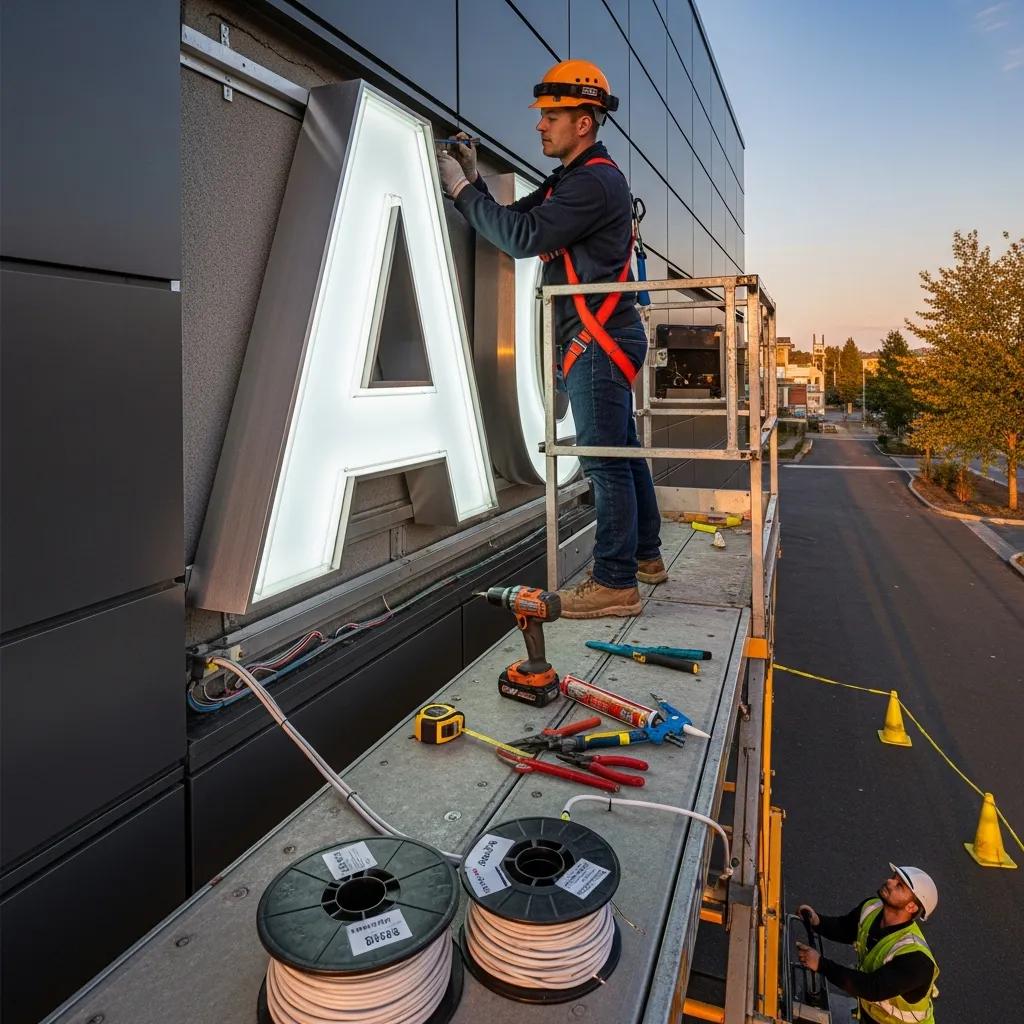
Installing and maintaining LED channel letters includes site prep, selecting a mounting method (raceway or flush), low‑voltage wiring, driver placement, and commissioning tests—steps that secure long‑term performance. A DIY‑capable strategy can lower install costs for experienced teams, and product designs that support “Built By Us, Installed By You” simplify work by shipping pre‑wired raceways and clear mounting templates. Maintenance focuses on routine inspections, cleaning faces, checking driver health, and replacing modules or drivers on schedule to preserve brightness. Plan for safe access and local permits before installation, and position drivers for easy in‑field replacement to minimize future service costs.
Before the installation checklist below, note that some manufacturers—including Elite Signs To Go—build channel letters to support customer installation with clear templates and pre‑assembly, matching the “Built By Us, Installed By You” model to reduce onsite fabrication.
A practical installation sequence follows these steps:
- Site Measurement and Template Placement: Verify dimensions and anchor points precisely to avoid misalignment.
- Mounting Method Selection: Choose raceway or flush‑mount based on the façade and electrical routing.
- Wiring and Driver Installation: Run low‑voltage wiring to accessible driver locations and secure drivers in ventilated enclosures.
- Mounting, Sealing, and Testing: Fasten letters, seal seams against ingress, and test each module for correct brightness and color balance.
This ordered list outlines the main stages and readies teams for tools and permits. After installation, routine maintenance keeps performance stable as shown in the component table below.
Technical components, specifications, and recommended maintenance intervals:
| Component | Typical Specification | Maintenance Interval |
|---|---|---|
| LED Modules | High‑efficacy modules, 12V/24V | Inspect annually, replace at 50,000 hours or when dimming occurs |
| Drivers/Power Supplies | Constant‑voltage or constant‑current matched to modules | Check temperature and output annually; replace every 5–10 years if degraded |
| Acrylic Faces | UV‑stable acrylic, appropriate thickness for size | Clean quarterly, inspect seals annually |
| Aluminum Returns | Powder‑coated or anodized aluminum | Inspect corrosion and fasteners annually |
This table helps facilities teams plan service windows and budget for component lifecycle replacements. The next sections cover DIY steps and maintenance practices in more detail.
What Are the Steps for DIY Installation of LED Channel Letters?
DIY installation is practical for experienced installers when manufacturers provide pre‑assembled letters, clear templates, and accessible raceway wiring—provided safety and permitting are confirmed first. Start with precise façade measurements and a full‑scale template to mark anchors and level lines. Mount the raceway or letters with appropriate anchors for the substrate, route low‑voltage wiring to the driver location, and secure drivers in ventilated enclosures for future access. After mechanically fixing letters, connect LED modules and run commissioning tests—verify color consistency, dimming controls, and surge protection—then seal edges to prevent moisture infiltration.
These steps stress safety and verification; following them reduces retrofit surprises and leads to a reliable commissioning process for long‑term performance.
How Do You Maintain Low Voltage LED Signs for Longevity?
Maintaining low‑voltage LED channel letters centers on regular visual checks, cleaning faces and trim, monitoring driver output, and addressing dimming or color shifts early. Do quarterly cleaning with non‑abrasive solutions to remove grime that cuts luminous output, inspect seals and fasteners annually to prevent water ingress, and check driver temperatures and output voltages each year. Replace dim or failed modules in matched batches to keep color uniformity; drivers with voltage drift or excess heat should be replaced by qualified personnel. Call a professional for electrical faults, structural issues, or permit‑sensitive changes to avoid unsafe DIY repairs and preserve warranties.
A short maintenance checklist for quick reference:
- Clean faces and remove debris quarterly.
- Inspect driver temperatures and ventilation annually.
- Replace LED modules at first signs of uneven dimming.
- Verify seals and fasteners once per year.
Following this checklist helps extend sign life and maintain consistent brand presence while lowering long‑term costs.
Why Choose Elite Signs To Go for Your Energy‑Efficient LED Channel Letters?
Elite Signs To Go focuses on custom sign design and manufacturing with a specialty in channel letters, offering practical advantages for customers who want affordable, fast‑turnaround signage. Our approach includes features that simplify installation—aligned with a “Built By Us, Installed By You” model that cuts onsite labor by delivering pre‑assembled, install‑ready components. We emphasize affordability and speed, and we call out that free shipping applies to qualifying orders over $100 (channel letters are excluded from that free‑shipping policy). Product quality and an easier installation model are key considerations when comparing suppliers.
What Unique Value Propositions Does Elite Signs To Go Offer?
Elite Signs To Go highlights several value points from our service model: budget‑friendly pricing to control capital outlay; fast turnaround to accelerate campaigns; a free shipping policy for qualifying orders (excluding channel letters); high‑quality fabricated components; and the “Built By Us, Installed By You” option to reduce installation complexity and cost. These elements support buyer priorities—cost control, speed, dependable components, and lower onsite labor—without overstating commitments beyond what we offer.
Assess these value points alongside technical specs and local permitting to confirm the chosen product fits your project and maintenance plan.
How Do Customer Testimonials Reflect the Quality of Our LED Signs?
Rather than invent quotes, gather authentic testimonial themes that back up product claims: energy savings, outdoor durability, and easier installs when customers used pre‑assembled channel letters. When asking for reviews, request measurable outcomes—lower electric bills, fewer service calls, or time saved on installation—to build persuasive social proof. Aggregate ratings and structured review data on your pages to increase credibility; comments that mention energy efficiency, visible brand impact, and straightforward installation are most useful to future buyers.
Prompting customers for concrete feedback about energy use and installation experience produces testimonials that validate performance and support purchasing decisions without exaggeration.
Frequently Asked Questions
What are the installation requirements for LED channel letters?
Installing LED channel letters needs careful planning. Key steps include precise site measurements, choosing the right mounting method (raceway or flush), and routing low‑voltage wiring to accessible driver locations. Follow local permitting and safety rules. Using pre‑assembled components can simplify the job and make DIY installation feasible for skilled teams. Proper sealing and final testing are essential for long‑term reliability.
How do LED channel letters compare to traditional signage in terms of visibility?
LED channel letters generally outperform neon and fluorescent signage in visibility. Their directional light and uniform faces improve legibility at greater distances and in low light. Adjustable brightness and color temperature help attract attention and preserve brand color. That makes LED channel letters a strong choice for businesses that need consistent, high‑impact visibility—especially at night.
What maintenance practices are recommended for LED channel letters?
Regular maintenance keeps LED channel letters performing well. Recommended practices include quarterly face cleaning, annual inspections of seals and fasteners, and monitoring driver temperature and output. Replace any modules showing dimming or failure promptly to keep brightness uniform. Following these steps extends sign life and maintains consistent brand presentation.
Can LED channel letters be used in extreme weather conditions?
Yes. Properly built LED channel letters can withstand extreme temperatures, rain, and UV exposure when made from durable materials like corrosion‑resistant aluminum and UV‑stable acrylic. Correct sealing and weatherproofing during installation increase resilience. Still, choosing quality components and following installation best practices maximizes performance in harsh environments.
What are the energy savings associated with LED channel letters?
LED channel letters typically save 50–70% in energy compared with neon or fluorescent signage for similar brightness. That lower power draw reduces electricity costs and speeds payback. Coupled with long LED lifespans—often over 50,000 hours—fewer replacements and lower maintenance further improve cost‑effectiveness.
How do customization options affect the cost of LED channel letters?
Customization affects cost: letter depth, font choice, face material, and lighting style all influence price. Deeper letters need more materials and larger LED arrays, and unique finishes or complex shapes add fabrication time and cost. Evaluate branding priorities and budget to balance desired aesthetics with cost efficiency.
What safety considerations should be taken into account during installation?
Safety is crucial. Use electrical components that meet local codes and standards, preferring UL/ETL‑listed parts when possible. Ensure installers have appropriate training in low‑voltage wiring to reduce shock risk. Secure mounts properly to prevent falls and ensure safe access for work at height. Following these precautions protects installers and maintains the integrity of your signage.
Conclusion
Energy‑efficient LED channel logo signs offer clear benefits: lower operating costs, longer lifespans, and stronger brand visibility. Understanding materials, customization options, and installation practices lets businesses choose signage that matches branding and sustainability goals. Make the switch to LED signage to boost your presence and reduce energy use—browse our customizable LED channel letter options today.